
Rectors of Politehnica University of Timisoara
The history of Politehnica University of Timisoara is closely intertwined with the vision and dedication of those who have led it. Over the years, successive rectors have shaped the course of an institution that has become a landmark in engineering education in Romania through their decisions and leadership. Each rector has contributed to the university’s development and consolidation, adapting it to the historical context and challenges of their time.
Politehnica School (1920–1948)
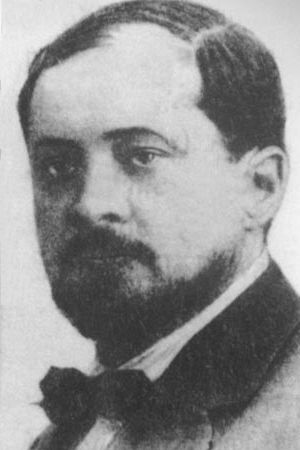
(1920–1921)
Founder of the Politehnica School of Timișoara, Romanian academic and mathematician, and university professor in Bucharest and Timișoara, he was the first rector of the Politehnica School of Timișoara. A prominent figure in the Romanian school of mathematics, he made contributions to numerous areas of pure and applied mathematics. He was one of the founders of the theory of integral equations. He published numerous studies on functional equations, trigonometric series, mathematical physics, geometry, algebra and the history of mathematics. He campaigned for the establishment of the Politehnica School of Timișoara, of which he became the first rector in 1920. In this capacity, his first priority was to recruit suitably qualified academic staff. He edited the Mathematical Journal in Timișoara.
(Jul. – Oct. 1921)
Engineer, Mayor of Timișoara, Senator for Timiș-Torontal, Director General of the Romanian Post, CFR and the “Astra” railcar factory, and Rector of the Politehnica School of Timișoara (1921), he attended the Budapest Technical University, graduating in 1900. After graduating, he was appointed chief engineer in the technical department of Timișoara City Hall. Following a period of study abroad, he prepared the plans for Timișoara’s water supply and sewerage systems. On 27 February 1920, he submitted a passionate yet convincing memorandum to the Ministry of Public Instruction calling for the establishment of a polytechnic school in Timișoara. Together with Professor Traian Lalescu, he was a founding member of the Politehnica School of Timișoara. In 1921, he was elected rector of the Politehnica School of Timișoara. He served as Mayor of Timișoara from 1 September 1919 to 30 April 1921 and from 3 January to 31 August 1922. During his administration, the city reorganised its water supply, sewerage, gas, electricity and public transport services as autonomous public utilities.
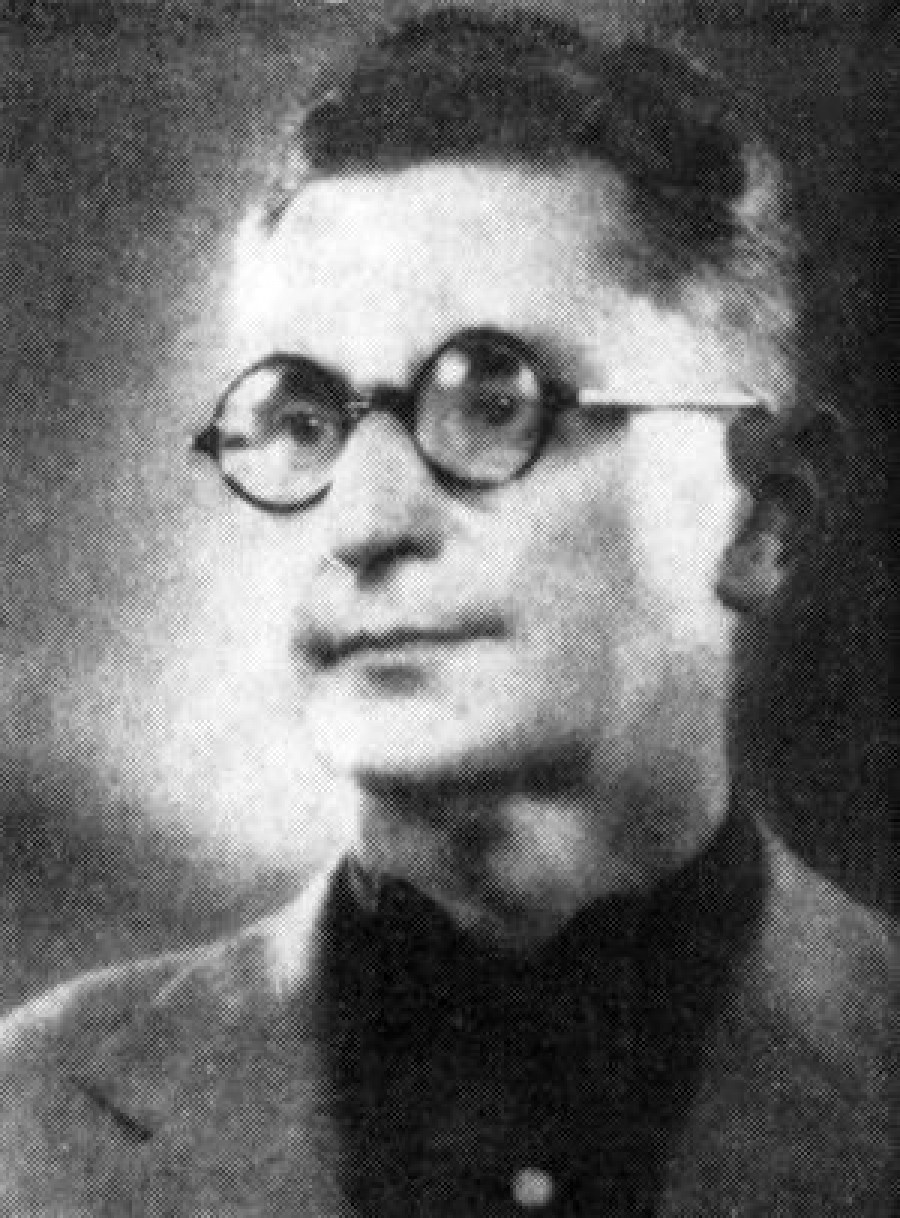
(1921–1930)
A Romanian mathematician and full member of the Romanian Academy, he became a professor in Timișoara in 1921, following the establishment of the Politehnica School of Timișoara through the efforts of Traian Lalescu, and was elected rector of the new centre of higher technical education. Victor Vâlcovici is considered the founder of Romanian theoretical hydrodynamics and aerodynamics and the country’s first leading figure in mechanics. His scientific work comprises more than 150 papers on analytical mechanics, the theory of elasticity, astronomy and cosmogony. For nine years, he devoted extraordinary efforts to establishing the new Politehnica School of Timișoara despite the many difficulties of its early years, from constructing its own premises to recruiting academic staff and organising laboratories.
(1930–1933)
Honorary President of the Mining Students’ Circle, he authored one of the first courses at the Politehnica School of Timișoara, Mining Operations, published as early as 1921. One of his notable works was Romanian Technical Terminology Relating to Mining Construction, published in 1938. He served as rector from 1930 to 1933. During his tenure, the building housing the Politehnica student cafeteria was opened at the Politehnica School of Timișoara. Located next to the student hall of residence, it could accommodate 450 students for meals. Two distinct faculties were also established: Electromechanical Engineering and Mining and Metallurgy. At the same time, a military training section was established within the Politehnica School, comprising an artillery battery and an engineering platoon. Finally, during his tenure, the Politehnica School of Timișoara was granted legal personality and exempted from all taxes, duties and stamp duties.
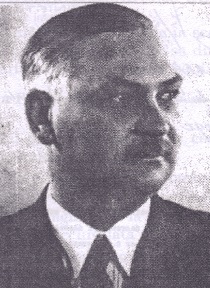
(1934–1939)
In the autumn of 1920, following the establishment of the Politehnica School of Timișoara, its then director, the renowned mathematician Traian Lalescu, invited him to serve as Deputy Director. From 1920 to 1924, he worked as a substitute lecturer in Strength of Materials and Rational Mechanics. In 1923, he was appointed provisional professor of Strength of Materials at the Politehnica School of Timișoara, becoming a full professor in 1926. Professor C. C. Teodorescu was the first to make extensive use of statistical methods in materials testing and published the first course on Strength of Materials in Romania in 1923, issued by the Politehnica School of Timișoara Press. He established the country’s first materials testing laboratory in Timișoara. From 1934 to 1939, he served as rector of the Politehnica School of Timișoara. He is known as the founder of the School of Strength of Materials.
(1939–1940)
Trained in the German school of machine elements, Corneliu Severineanu joined the academic staff of the Polytechnic Institute of Timișoara in its early years. He taught Machine Elements and Lifting Machines. The UPT Library holds works designed together with second- and third-year students during the 1925–1926 academic year. He served as president of the Electromechanical Engineering section during the interwar period and later as rector of the Politehnica School of Timișoara from 1939 to 1940.
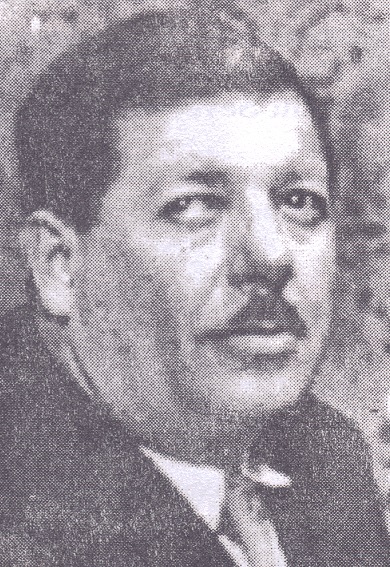
(Jun. – Nov. 1940)
Professor at the Politehnica School of Timișoara from 1920 to 1948, Prof. Eng. Ilie Popescu was part of the institution’s leadership, serving as President of the Mining Section and head of the Department of Mining Machinery. He served as rector of the Politehnica School of Timișoara for two brief periods: December 1933 to February 1934 and June 1940 to November 1940.
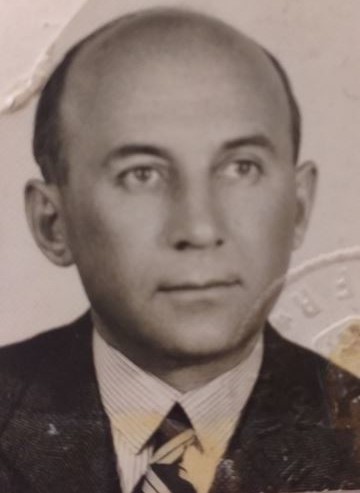
(1940–1941)
Initially, he served as President of the Students’ Society of Sciences and later, after progressing through all stages of the academic career, became a professor and head of the Department of Mineralogy and Petrography. He served as rector of the Politehnica School of Timișoara from 1940 to 1941. One of his notable works is Physical Crystallography.
(1941–1944)
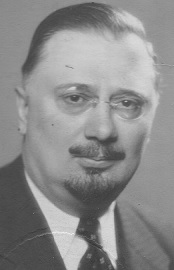
He was a Romanian electrical engineer, the founder of the Romanian school of theoretical electrical engineering, a full member of the Academy of Technical Sciences of Romania and a corresponding member of the International Federation of Engineers. He graduated from the Swiss Federal Polytechnic School in Zurich in 1918 and worked there as an assistant from 1919 to 1923. In 1922, he was awarded a doctorate in technical sciences, followed by the title of docent doctor in 1923. Returning to Romania in 1925, he accepted the position of head of the Department of Electrical Engineering and Electricity at the newly established Politehnica School of Timișoara, which he would lead for 40 years. There, he also established the country’s first high-voltage engineering laboratory in 1927. He served as rector of the Politehnica School during the war, from 1941 to 1944.
(1944–1946)
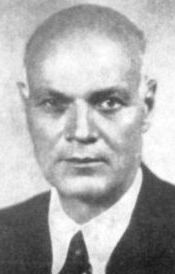
A university professor at the Faculty of Mechanical Engineering, he is known as the founder of the Romanian school of thermal machinery and was also the author of the first treatise on internal combustion engines published in Romanian. He served as Dean of the Faculty of Electromechanical Engineering (1926–1942), Rector of the Politehnica School of Timișoara (1944–1946) and Head of the Department of Thermal Machinery (1948–1962). In 1924, Professor Marin Bănărescu established the Internal Combustion Engines Laboratory, which for decades was the only laboratory of its kind in Romania. The laboratory conducted testing and certification studies on tractor, lorry and car engines, as well as certain stationary engines, thereby contributing to the creation and development of the thermal machinery industry.
(1946–1947)
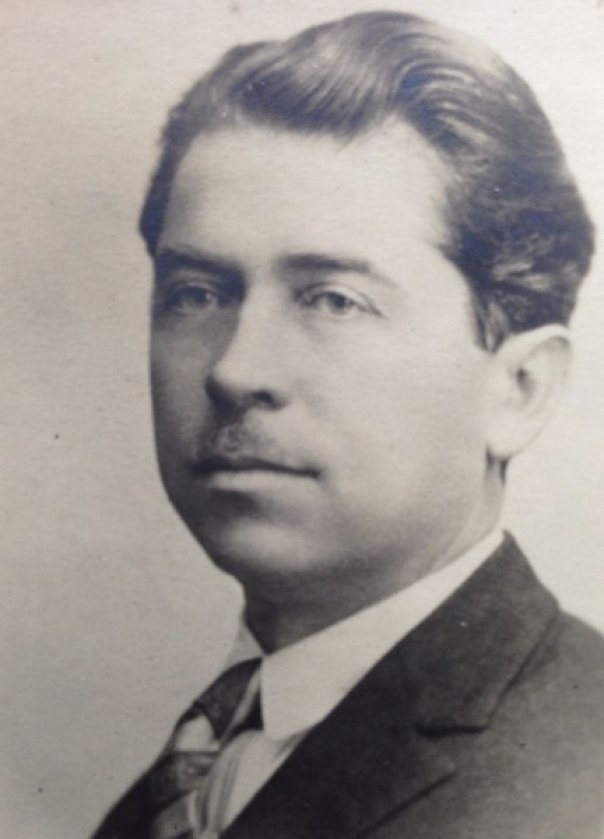
In 1911, he graduated from the Königlich Bayerische Technische Hochschule München. He was a university professor, doctor and engineer in chemistry, and served as Rector of Politehnica University of Timisoara from 1946 to 1947. During the first year of the Politehnica School of Timișoara’s activity, Prof. Dr. Eng. Constantin Cândea established the Chemistry Laboratory. He was a corresponding member of the Academy of Sciences of Romania from 21 December 1935 and a full member from 20 December 1936.
Polytechnic Institute of Timișoara (1948–1970)
(1947–1949)
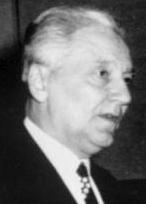
He was a Romanian chemist, a full member of the Romanian Academy from 1952 and President of the Academy from 1963 to 1966. Professor Murgulescu’s scientific research in physical chemistry covered topics including molecular structure and spectroscopy, chemical kinetics, chemical thermodynamics, electrochemistry, radiochemistry, inorganic chemistry and analytical chemistry. From 1947 to 1949, he served as rector of the Polytechnic Institute of Timișoara, during which time the Faculty of Industrial Chemistry was established. In 1974, he initially opposed the direct election of Elena Ceaușescu as a full member of the Romanian Academy. In 1977, he was marginalised by the political leadership after opposing Nicolae Ceaușescu’s decision to remove the Institute of Physical Chemistry from the Academy’s authority.
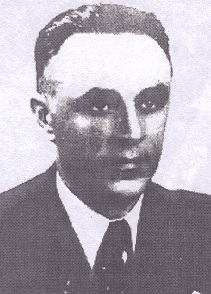
(1949–1950)
In 1941, after persistent efforts by professors at the Politehnica School of Timișoara and a number of forward-thinking intellectuals from Banat, the long-awaited Faculty of Civil Engineering was established, with Nicolae Maior among its first professors. He served the university with dedication and expertise until his retirement in 1964 and subsequently as a consulting professor until his death. He served as rector of the Politehnica from 1949 to 1950. Throughout his years as an active professor and later as a consulting professor, Nicolae Maior led and coordinated research and academic activities in geotechnical engineering and foundations. The reintroduction of the Roads specialisation at the Faculty of Civil Engineering in Timișoara enabled Nicolae Maior, as a specialist in the field, to guide and further develop the group of subjects associated with this specialisation. He is considered the founder of the Timișoara School of Roads and Bridges.
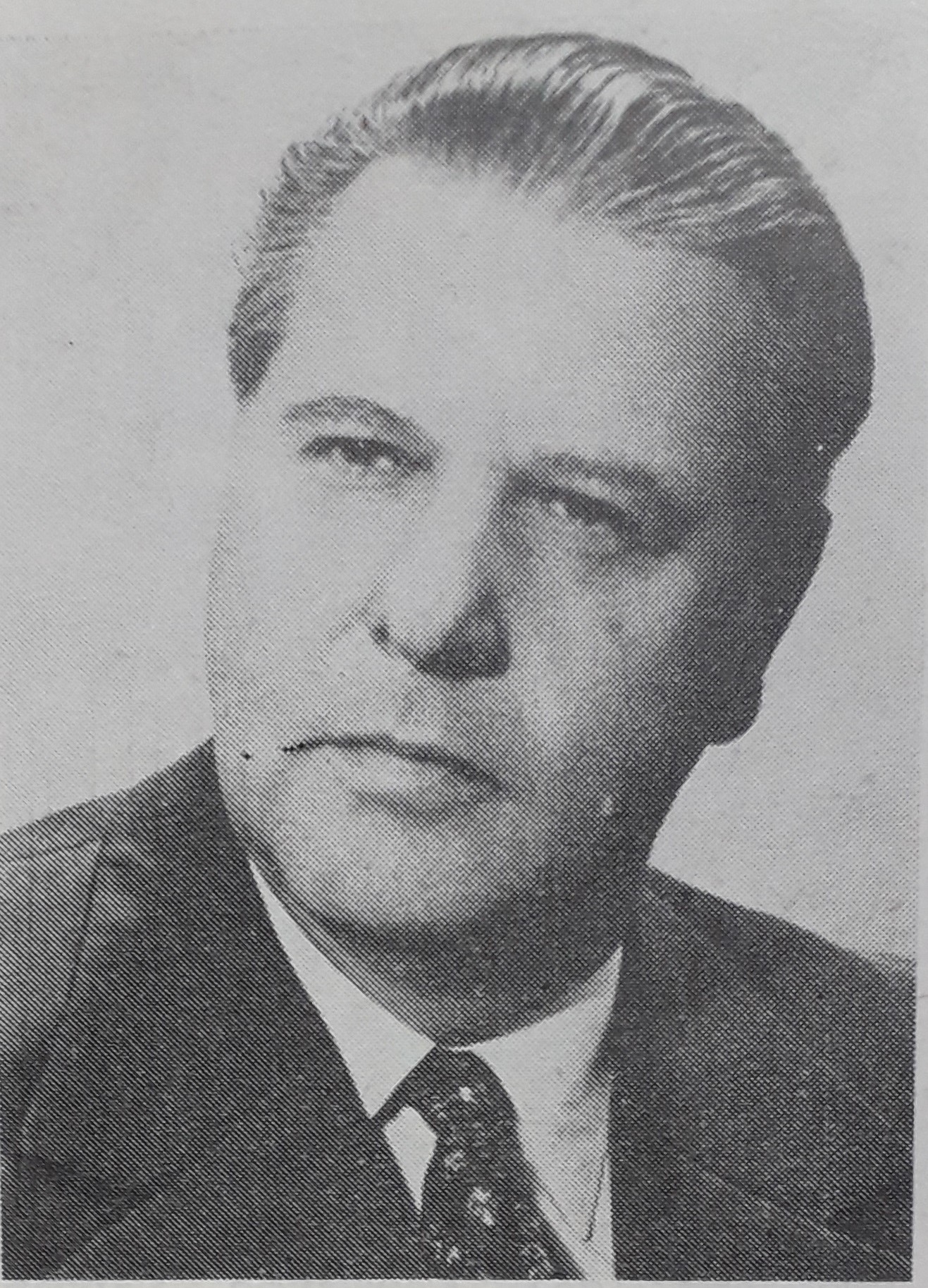
(1950–1956)
He was a member of the academic staff of the Faculty of Civil Engineering and later served as Rector of the Polytechnic Institute of Timișoara from 1950 to 1956. During his tenure, the Lloyd Palace building was allocated to the Polytechnic Institute of Timișoara, housing the Polytechnic Rectorate and laboratories of the Faculty of Chemistry. During the same period, the Workers’ Faculty, a two-year programme, was established at the Polytechnic Institute, along with evening and part-time courses lasting six years. The cinefication laboratory was also established during his tenure.

(1956)
He was a Romanian academic and chemist, and a full member of the Romanian Academy from 1963. Trained and appointed to the Faculty of Sciences of the University of Cluj, he took refuge in Timișoara with the faculty at the outbreak of the Second World War. There, within the Polytechnic Institute of Timișoara, he established the Faculty of Industrial Chemistry, of which he became Dean. He also established the Scientific Research Centre in Timișoara. He briefly served as Rector of the Polytechnic Institute of Timișoara and later as Deputy Minister in the Ministry of Education, but was dismissed following the student movements in Timișoara in 1956. The Institute of Chemistry “Coriolan Drăgulescu” in Timișoara now bears his name.
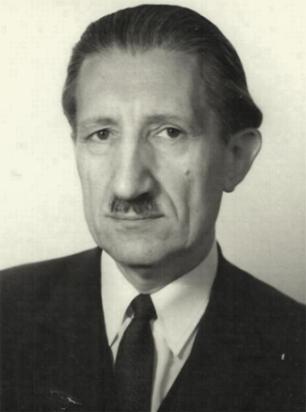
(1956–1957)
In 1948, he became a substitute professor at the Polytechnic Institute of Timișoara, teaching the subject “Weak-Current Engineering”, and in 1952 he became head of the Department of Electrical Measurements, which he led until his retirement in 1983. From 1960 onwards, he devoted himself to the field of computing, particularly computer electronics. He developed the first ferrite-core memory in Romania, an achievement for which he was awarded the Romanian Academy Prize. From 1960, he worked on the development of the CETA computer, based on the principles of the PDP-8, which was completed in 1973. In 1965, he established the first computer specialisation in Romania at the Polytechnic Institute of Timișoara, with the first cohort graduating in 1966.
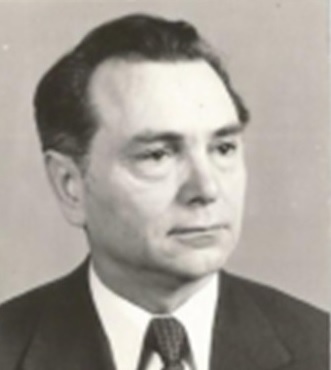
(1957–1962)
After graduating with a diploma of merit from the Faculty of Electromechanical Engineering of the Polytechnic Institute of Timișoara in 1951, he was retained as an assistant in Theoretical Mechanics and, in the same year, appointed Director of Studies at the Institute of Iron and Steelmaking and senior lecturer in Mechanics. In 1952, he was transferred to Bucharest, and in 1957 he was seconded to Timișoara and appointed Rector of the Politehnica, a position he held until 1962. In 1971, he defended his doctoral thesis under the supervision of Gheorghe Silaș, and in the same year he was transferred to the Ministry of Foreign Affairs and appointed Ambassador to Tunisia.
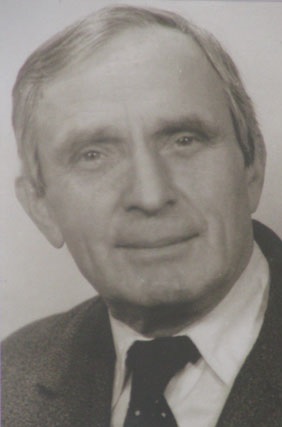
(1962)
He was a Romanian engineer and a corresponding member of the Romanian Academy (18 December 1991). He began his academic career in 1944 as a substitute assistant and progressed through the entire academic hierarchy at Politehnica University of Timisoara. In 1951, he became Professor of Theoretical Mechanics at the Faculty of Mechanical and Civil Engineering. From 1952 to 1956, he served as Vice-Dean of the Faculty of Civil Engineering; from 1957 to 1962 and from 1963 to 1976, as Vice-Rector of the Polytechnic Institute of Timișoara; and from 1962 to 1963, as Rector. In 1972, he was awarded the title of Professor Emeritus. His scientific research focused on problems in general and analytical mechanics, collisions, vibrations, percussion, noise and their effects on the human body.
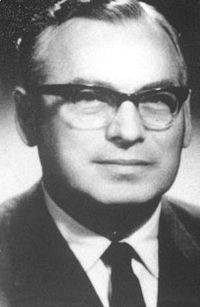
(1963–1971)
He was a Romanian engineer specialising in reinforced concrete, a corresponding member of the Romanian Academy, and the founder of the School of Reinforced Concrete and the Concrete Research Laboratory in Timișoara. He attended the School of Military Engineering in Bucharest and Versailles and the Faculty of Civil Engineering at the Polytechnic Institute of Bucharest. From 1963 to 1971, he served as Rector of the “Traian Vuia” Polytechnic Institute of Timișoara. He contributed to the construction of the industrial plants in Reșița and the Văliug complex. In 1963, he became a corresponding member of the Romanian Academy. He was also a member of the European Committee for Concrete in Paris and, in 1980, was awarded the Silver Medal of the International Federation for Prestressing.
“Traian Vuia” Polytechnic Institute of Timișoara (1970–1991)
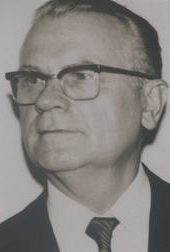
(1971–1981; Nov.1989)
He was a Romanian electromechanical engineer and academician. He developed the Romanian school of hydraulic machinery, initiated by Professor Aurel Bărglăzan. His research yielded valuable results in several fields, including turbomachinery hydrodynamics, turbines, pumps, reversible hydraulic machines, hydraulic couplings, fans, drilling and wind turbines, the hydrodynamics of airfoils and blade cascades, cavitation and scale effects.
Ioan Anton began his academic career at the Faculty of Mechanical Engineering of the Polytechnic Institute of Timișoara in 1949, progressing through all academic ranks and holding various positions: substitute assistant (1 January 1949), senior lecturer (April 1949), substitute associate professor (1 October 1951), associate professor (1956), provisional full professor (1962), full professor (1967), and Head of the Department of Hydraulic Machinery (1962–1973 and 1982–1989). From 1964 onwards, he also supervised doctoral students. He served as Rector of the “Traian Vuia” Polytechnic Institute of Timișoara from 1971 to 1981.
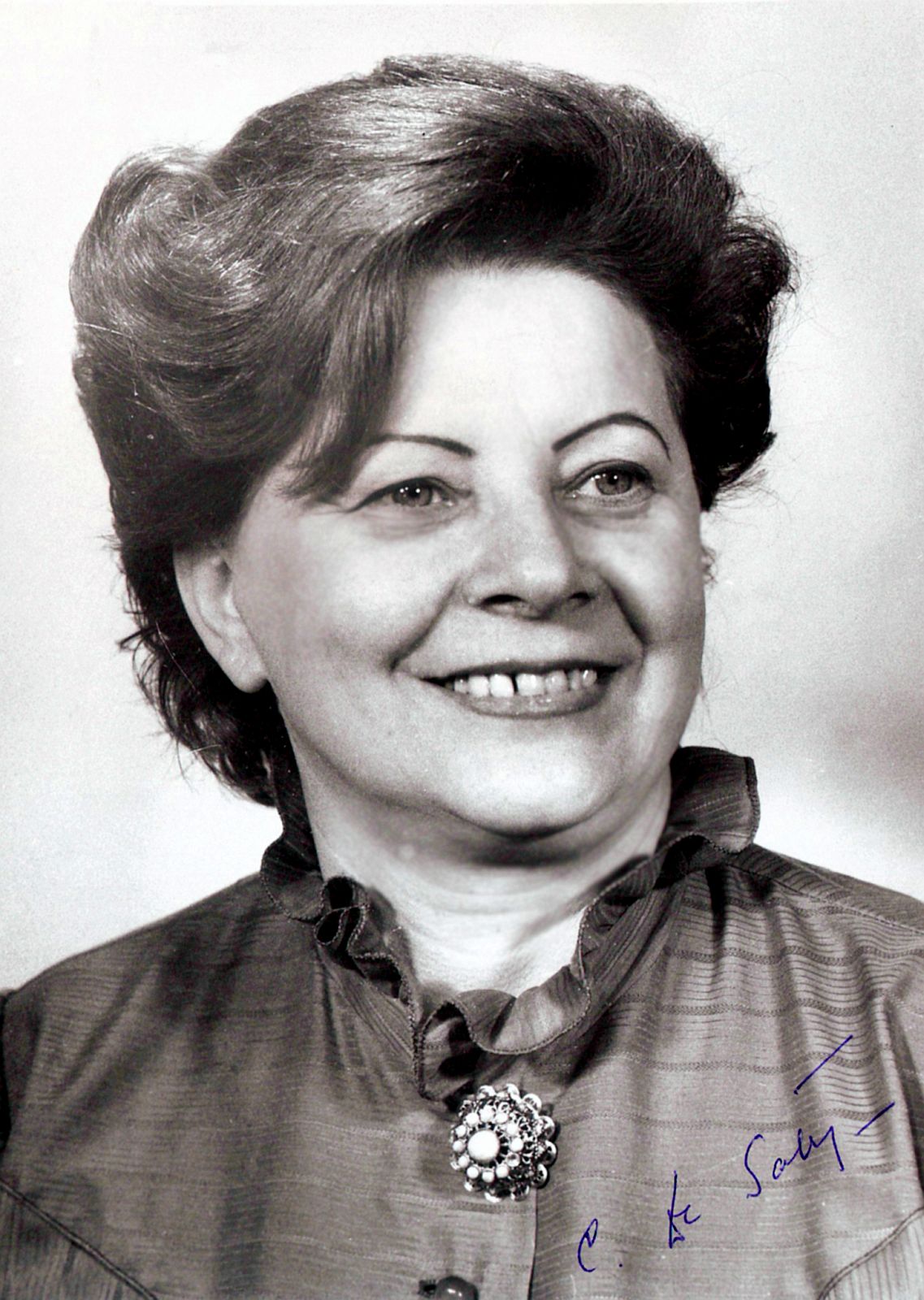
(1981–1989)
She had always wanted to become an engineer, considering it a profession with a future, so immediately after finishing secondary school she enrolled at the Faculty of Electrical Engineering of the Polytechnic Institute of Timișoara. Upon graduating, she joined the academic staff of the Department of Physics at Politehnica University as a senior teaching assistant in 1957. Gradually, she progressed from assistant to professor and, ultimately, much to her own surprise, became head of department. During this period, Coleta de Sabata devoted herself to another of her passions: research, particularly in the field of solar energy conversion. In 1981, she was elected rector. After retiring from professional activity, she devoted herself to writing. She published dozens of books on a wide range of subjects, from works dedicated to the institution where she spent most of her life to books on Banat’s technical culture, Etruscan history, Italian migration, and romance and detective fiction.
Technical University of Timișoara (1991–1995)
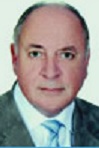
(1990–1992)
Following the 1989 Revolution, Radu Vlădea became the first elected rector of the “Traian Vuia” Polytechnic Institute of Timișoara in the post-December period. At the time, he was the youngest rector in the country, a position he held until 1992. He was a member of the academic staff of the Faculty of Industrial Chemistry, specialising in organic chemical technology, in which field he also established a research group. He is particularly associated with the current Faculty of Chemistry building, which was constructed at his initiative. Moreover, he was present on the construction site throughout the entire project.
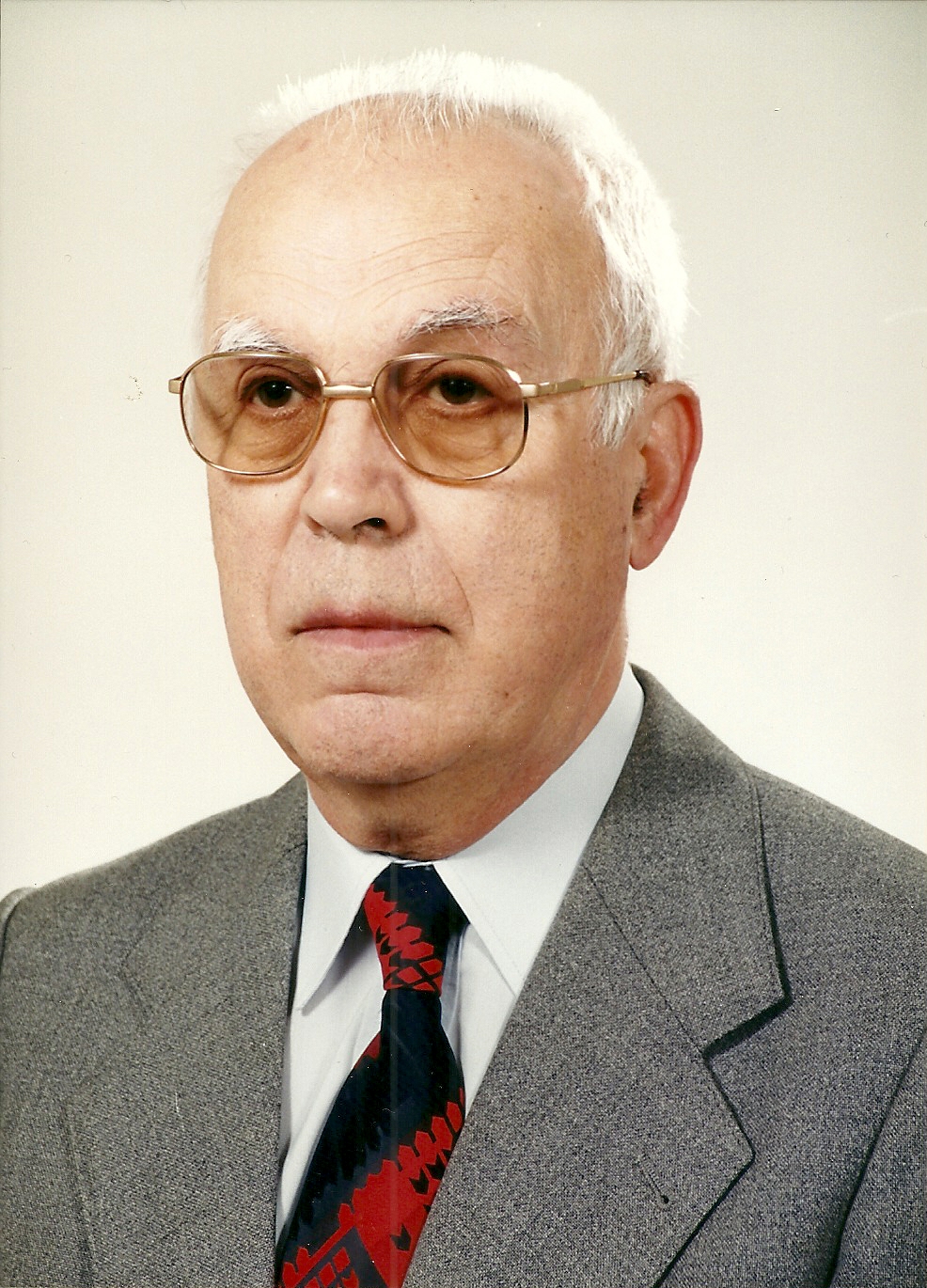
(1992–1996)
He graduated from the Faculty of Electrical Engineering, specialising in Electromechanical Engineering, in 1958. In 1959, he joined the academic staff of the Polytechnic Institute of Timișoara, working in the Department of Materials Technology of the Faculty of Mechanical Engineering. He obtained his doctoral degree in 1970 with the thesis Fundamental Phenomena in Electrical Discharge Machining with an Oscillating Electrode. In 1980, he was appointed university professor. From 1974 to 1976, he worked at the National University of the Republic of Zaire in Kinshasa. From 1990 onwards, he supervised doctoral studies in Technological Engineering, with a particular focus on the optimisation of electrical discharge and laser machining processes.
In teaching, he was particularly noted for developing or introducing the university courses Materials Science and Technology, Laser Systems and Technologies and Statistical Design of Experiments. Over the course of his career, he held several leadership positions within the university, including Vice-Dean of the Faculty of Mechanical Engineering (1977–1982), Head of the Department of Mechanical Technology (1985–1990), Rector of Politehnica University of Timisoara (1992–1996), Scientific Secretary of the University Senate (1996–2000), and member of the UPT Academic Council.
“Politehnica” University of Timișoara (1995–2013)
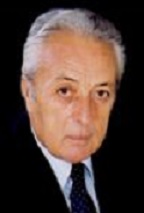
(1996–2004)
He studied at the Faculty of Mechanical Engineering of the Polytechnic Institute of Timișoara, graduating in 1959 as part of the first cohort specialising in Machine Manufacturing Technology. In 1973, he defended his doctoral thesis, entitled Theoretical and Experimental Research on the Structure, Physical Properties and Roughness of Surfaces Machined by Electrical Discharge Machining, under the supervision of Aurel Nanu. After graduating, he worked as Head of Manufacturing at the Timișoara Mechanical Centre from 1959 to 1961. From 1961 until his retirement in 2006, he was a member of the academic staff of Politehnica University of Timisoara, serving as assistant (1961–1968), senior lecturer (1968–1977), associate professor (1977–1990) and, from 1990, professor. From 1991, he supervised doctoral studies in Engineering Sciences, specialising in Materials Science. During this period, he served as Head of the Department of Machine Manufacturing Technology (1985–1990), Vice-Rector (1990–1996) and Rector (1996–2004). Since 1999, he has been a full member of the Academy of Technical Sciences of Romania, serving in the Mechanical Engineering section.
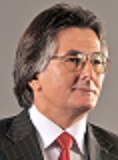
(2004–2012)
As a university professor, doctor and engineer in Automation and Computers, and doctoral supervisor in Computers and Information Technology, he taught courses in computer architecture, concurrent programming, Java programming and neural networks. He was elected Rector of “Politehnica” University of Timișoara in 2004 and 2008, after serving four terms as Vice-Rector, having been elected to the position in 1990, 1992, 1996 and 2000. During the 2008–2012 legislative term, he served as a Senator of Romania representing the National Liberal Party. From 2012 to 2020, he served as Mayor of the Municipality of Timișoara.
Politehnica University of Timisoara (2012–present)
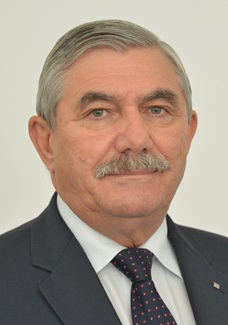
(2012–2020)
From 1973 to 1978, he trained as a mechanical engineer at the Polytechnic Institute of Timișoara, specialising in Machine Manufacturing Technology. In 1992, he obtained his doctoral degree with the thesis Studies and Research on Ferrous Amorphous Materials with Special Magnetic Properties, under the supervision of Marin Trușculescu. From 1982 to 1992, he worked as a scientific researcher at the Bucharest Institute of Metallurgical Research, Timișoara branch, while also serving as an associate member of the academic staff at the Politehnica. At Politehnica University of Timisoara, Faculty of Mechanical Engineering, Department of Materials Science and Heat Treatments, he progressed through all academic ranks: assistant (from 1982), senior lecturer (from 1992), associate professor (from 1996) and professor (from 2000). His main research field is unconventional materials and heat treatments. He served as Vice-Dean of the Faculty of Mechanical Engineering (1996–2004), Director of the Research Centre for the Processing and Characterisation of Advanced Materials (2007–2012), Vice-Rector (2004–2012) and Rector of the Politehnica (from 2012).
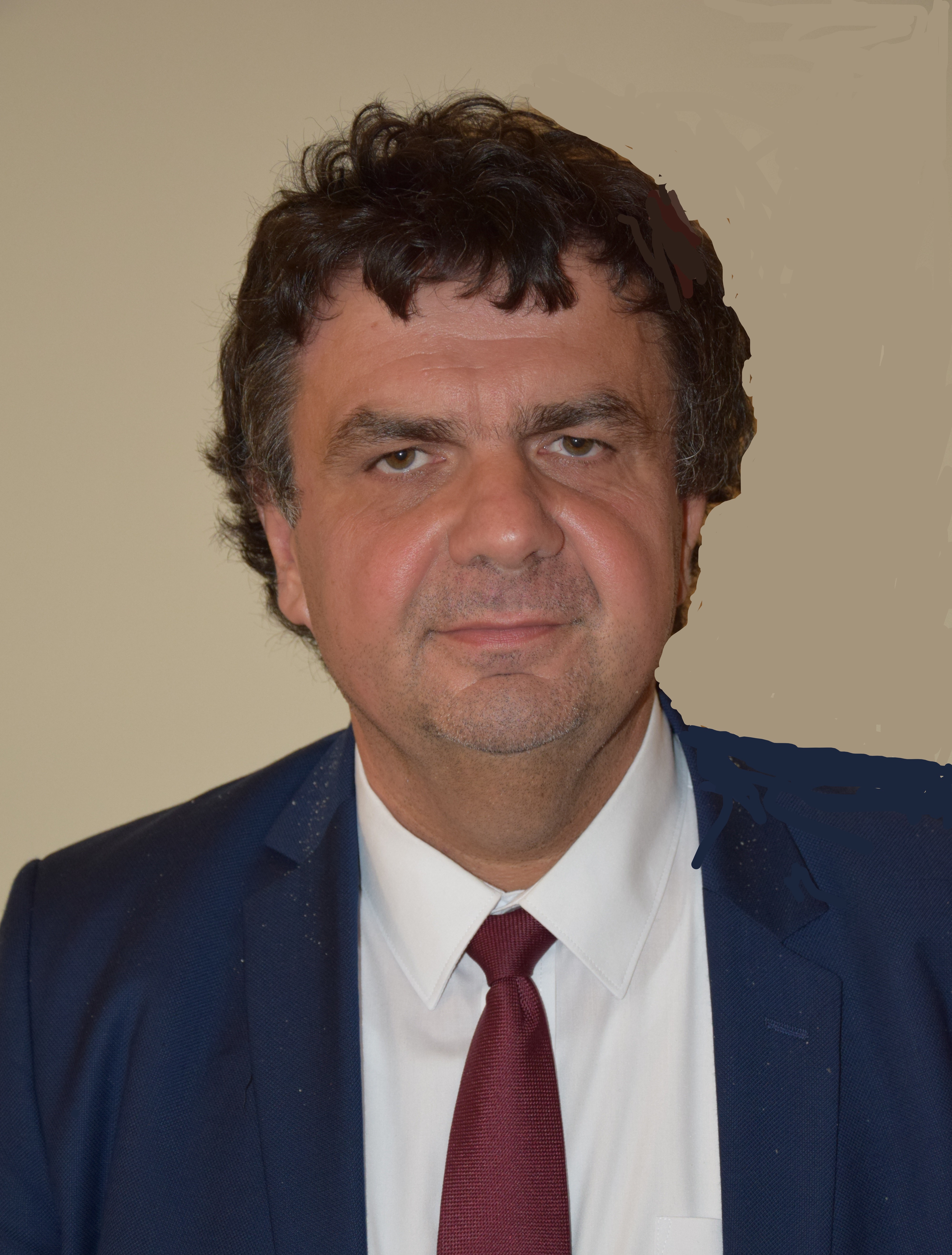
(2020–)
He is a graduate of the Faculty of Automation and Computers at Politehnica University of Timisoara, specialising in Automation and Applied Informatics, class of 1995, and subsequently completed a postgraduate programme in the same field. In 1997, he joined the academic staff of the Faculty of Automation and Computers, progressing through the academic ranks: senior lecturer from 2002, associate professor from 2009, Vice-Rector responsible for the educational process, student affairs and quality assurance from 2016, and Rector, elected following the 2020 election. During his term as Vice-Rector, he also served as President of the Politehnica University of Timișoara Sports Association. In 2007, he defended his doctoral thesis entitled Control of Chaotic Systems/Electronic Converters, which is also his main area of expertise.