
Schools… of the Politehnica School of Timișoara
The Politehnica School of Timișoara owes much of the prestige it enjoys today, and the leading position it holds both nationally and internationally, to the dedication of generations of professors who have devoted themselves to the institution throughout its history.
From the very beginning, the school attracted distinguished academics and engineers from the thriving industries of the region. They threw themselves wholeheartedly into building an institution worthy of Timișoara’s aspirations and spirit. As King Ferdinand himself would later remark, that spirit was to become part of the very fabric of the first higher education institution in western Romania.
Today, Politehnica can rightly take pride in its “walls”, but its spirit was there long before the buildings themselves. The many challenges of those early years were overcome thanks to the exceptional calibre of its academic staff. Their outstanding contribution to teaching and scholarship helped establish the Timișoara Politehnica as one of Romania’s enduring institutions of academic excellence.
Some professors went even further, building entire schools of thought around their respective fields, many of them breaking new ground in Romania. These schools nurtured generations of outstanding students, who went on to carry their traditions forward.
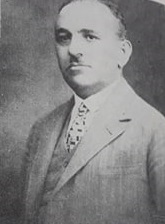
Valeriu ALACI
Founder of scientific research in mathematics
One of the figures who carried forward the spirit of Traian Lalescu, Valeriu Alaci was appointed on 1 November 1921 as a provisional professor at the newly established Politehnica School of Timișoara, and was appointed to a permanent professorship on 1 January 1925.
Professor Alaci’s career was closely linked to the RMT, Revista de Matematică din Timișoara (Timișoara Mathematical Journal). As its Editor-in-Chief from 1922 to 1949, he succeeded in fostering an interest in mathematics among generations of young people. He published most of his work in the journal, including one of his most important works, Quadratic Trigonometry.
Valeriu Alaci was a permanent member of the leadership of the “Scientific Society of the Politehnica School of Timișoara”, founded in 1923, and served as its president from 1930. In the institution’s early years, he was a leading force behind the development of scientific research at the Politehnica.
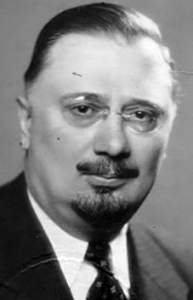
Plautius ANDRONESCU
Founder of the Romanian School of Theoretical Electrical Engineering
He was a Romanian electrical engineer, founder of the Romanian School of Theoretical Electrical Engineering, a full member of the Academy of Technical Sciences of Romania and a Corresponding Member of the International Federation of Engineers.
He graduated from the Swiss Federal Polytechnic Institute in Zurich in 1918 and worked there as an assistant from 1919 to 1923. He was awarded a Doctor of Technical Sciences degree in 1922 and the title of doctor docent in 1923.
After returning to Romania in 1925, he accepted the position of Head of the Department of Electrical Engineering and Electricity at the newly established Politehnica School of Timișoara, which he led for 40 years. There, he also established the country’s first high-voltage engineering laboratory in 1927.
He served as Rector of the Politehnica during the war, from 1941 to 1944.
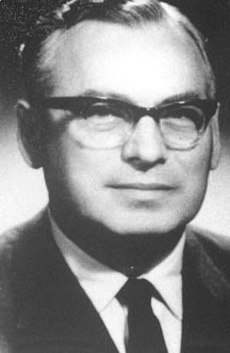
Constantin AVRAM
Founder of the Romanian School of Reinforced Concrete
He was a Romanian engineer specialising in reinforced concrete, a Corresponding Member of the Romanian Academy, and the founder of the Romanian School of Reinforced Concrete and the Concrete Research Laboratory in Timișoara. He studied at the School of Military Engineering in Bucharest and Versailles and at the Faculty of Civil Engineering of the Polytechnic Institute of Bucharest.
From 1963 to 1971, he served as Rector of the “Traian Vuia” Polytechnic Institute of Timișoara. He was involved in the construction of the industrial plants in Reșița and the Văliug complex. In 1963, he became a Corresponding Member of the Romanian Academy. He was also a member of the European Committee for Concrete in Paris and, in 1980, was awarded the Silver Medal of the International Federation for Prestressing.
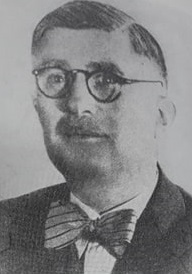
Coloman BAKONY
Founder of Materials Technology as an academic subject
He was appointed as a substitute professor in the Department of Materials Technology on 15 November 1925. On 15 December 1930, he was appointed to a permanent professorship, a position he held until his retirement.
Professor Bakony worked tirelessly to advance Materials Technology as an academic subject. He contributed to the development of Romania’s first railcars, which rivalled other railcars built in Europe in terms of comfort, speed and quiet operation.
He also established the first Mechanical Technology Laboratory, which provided practical training across a wide range of topics.
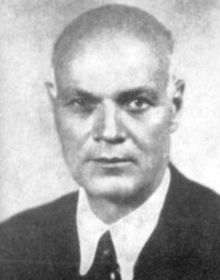
Marin BĂNĂRESCU
Founder of the Romanian School of Thermal Machinery
He was a university professor at the Faculty of Mechanical Engineering and is known as the founder of the Romanian School of Thermal Machinery. He was also the author of the first treatise on internal combustion engines published in Romanian.
He served as Dean of the Faculty of Electromechanics from 1926 to 1942, Rector of the Politehnica School of Timișoara from 1944 to 1946, and Head of the Department of Thermal Machinery from 1948 to 1962.
In 1924, Professor Marin Bănărescu established the Internal Combustion Engines Laboratory, which remained the only laboratory of its kind in Romania for several decades. The laboratory conducted testing and type-approval studies on tractor, lorry and passenger car engines, as well as stationary engines, contributing to the development of Romania’s thermal machinery industry.
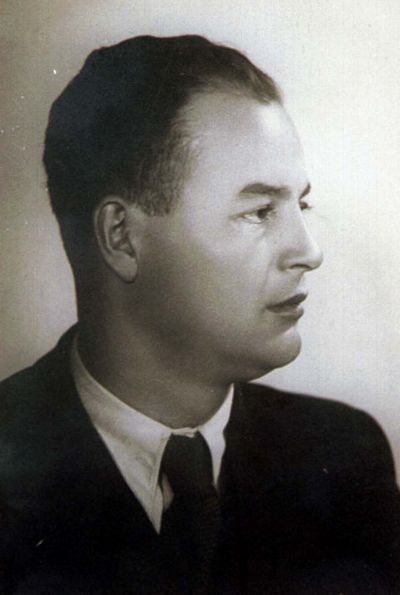
Aurel BĂRGLĂZAN
Founder of the Romanian School of Hydraulic Machinery
He was a Romanian engineer, university professor at Politehnica University of Timisoara, and a Corresponding Member of the Romanian Academy. He is considered the founder of the Romanian School of Hydraulic Machinery. He served as Dean of the Faculties of Electromechanics and Mechanical Engineering.
He began his scientific career while still a student. His graduation thesis, written in collaboration with Octavian Smigelschi, was entitled Study of a Cernavodă–Constanța Navigable Canal. The proposed route closely followed that of the present-day Danube–Black Sea Canal.
The work carried out at the Hydraulic Machinery Laboratory led to the design of hydraulic pumps and turbines, helping to build the expertise needed to manufacture equipment for Romania’s hydroelectric power stations.
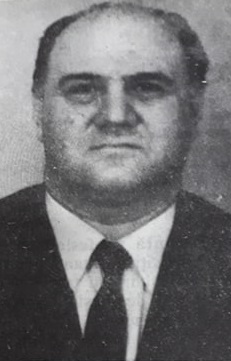
Ștefan CĂPROIU
Pioneer of the Agricultural Machinery specialisation
Ștefan Căproiu was a distinguished academic and one of the tireless advocates for the modernisation and mechanisation of agriculture in Romania. He was a true pioneer of the Agricultural Machinery specialisation in Romanian technical higher education.
He served as Dean of the Faculty of Agricultural Mechanical Engineering at the Politehnica of Timișoara from 1965 to 1970 and from 1972 to 1976. His major contribution to the design, construction and equipping of modern laboratories, as well as to the provision of extensive documentation from Romanian and international specialist literature, deserves particular recognition.
The Dicționarul de Mecanică Agricolă (Dictionary of Agricultural Mechanics), coordinated by Professor Ștefan Căproiu, was the first work of its kind in Romania.
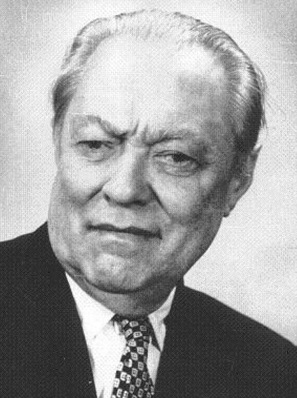
Alexandru CIȘMAN
Founder of the Romanian School of Magnetism
He was a Romanian physicist and a Corresponding Member of the Romanian Academy from 1963, which he has been since 21 December 1935.
In 1948, he joined the academic staff of Politehnica University of Timisoara as Head of the Department of General Physics. Cișman established a magnetic research laboratory at the Timișoara Politehnica. During this later stage of his career, he focused almost exclusively on questions relating to the internal mechanisms of magnetisation.
Professor Cișman founded the Romanian School of Magnetism, where many of his students developed their scientific expertise. Even during his 12-hour working days, he made time to relax by playing the piano, much to the delight of those who happened to be nearby.
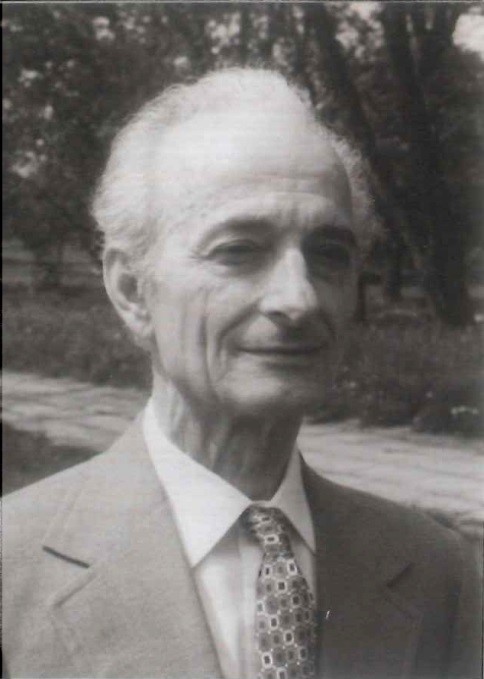
Haralambie COCHECI
Initiator of the Timișoara School of Architecture
Haralambie Cocheci – initiator of the Timișoara School of Architecture
The Architecture specialisation was established in 1970 within the Faculty of Civil Engineering in Timișoara, pursuant to Order No. 876/31 issued by the Ministry of Education in July of that year.
To establish and develop the school, architect Haralambie Cocheci brought together some of the finest professionals from Timișoara and Arad, creating a close-knit team of outstanding figures, including Hans Fackelmann, Sorin Gavra, Cristea Miloș, Victor Gioncu and sculptor Peter Jecza.
The Architecture Section in Timișoara achieved exceptional results in a remarkably short time, thanks in large part to the atmosphere of mutual understanding, trust and optimism that Haralambie Cocheci fostered within the team, as well as his encouragement of individual initiative.
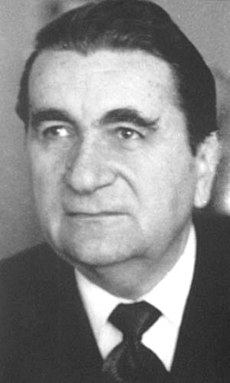
Vasile COCHECI
Founder of the Romanian School of Environmental Protection
With the establishment of the Faculty of Industrial Chemistry in Timișoara, he was appointed Associate Professor at the newly established faculty, where he taught General Chemical Technology. Through his efforts, the Faculty of Industrial Chemistry in Timișoara became the first in Romania to establish a specialised group focusing on water quality protection and wastewater treatment. Engineer Vasile Cocheci was a true pioneer in promoting the concept of water quality protection and, by extension, environmental protection.
Vasile Cocheci also designed and commissioned the first pilot plant in Romanian higher chemical education, on the Azur industrial platform, in 1976. He played a particularly important role in establishing environmental education and developing a Research School in this field.
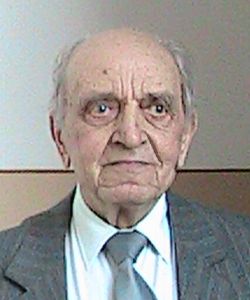
Gavril CREȚA
Founder of the Romanian School of Steam Turbines
He was a Romanian engineer who designed the steam turbines manufactured at UCM Reșița and later became a university professor at the Faculty of Mechanical Engineering of Politehnica University of Timisoara.
One of his first major projects involved designing the turbines for the Crăinicel hydroelectric development on the Bârzava River. The project featured a globally innovative solution and earned him the First Class State Prize.
A lesser-known achievement, owing to the secrecy surrounding the project, was the development of a hydrogen sulphide turbo-compressor for research into Romania’s original technology for producing heavy water. The equipment was manufactured in the workshops of the Faculty of Mechanical Engineering in Timișoara.
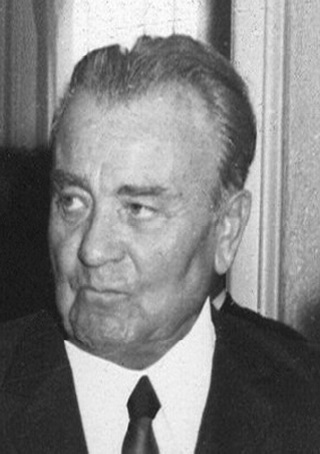
Iosif DICK
Founder of the School of Pharmaceutical Technology
From the very beginnings of the Faculty of Industrial Chemistry at the Politehnica of Timișoara, its leadership sought to bring established experts in the field onto its academic staff. For the “Pharmaceutical Products” specialisation, Professor Iosif Dick was brought in from Cluj, becoming the founder of the School of Pharmaceutical Technology.
Under his supervision, 13 doctoral theses in the field of Pharmaceutical Chemistry and Drug Technology were completed at the Politehnica.
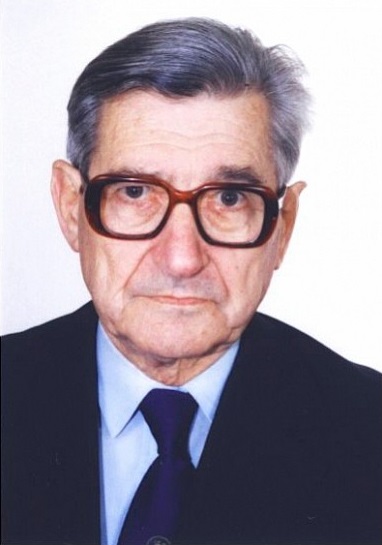
Toma DORDEA
Founder of the School of Electrical Machines, Apparatus and Drives
He was a Romanian academician and university professor at Politehnica University of Timisoara, specialising in electrical machines. From 1994 onwards, he served as President of the Timișoara Branch of the Romanian Academy. He was also a full member of the Academy of Technical Sciences of Romania.
He conducted continuous research in the field of electrical machines, achieving highly valuable results while also focusing on their practical application in the economy. He was fascinated by the computing capabilities and potential of electronic computers, which helped him become a true pioneer in the development of the modern School of Electrical Machines, Apparatus and Drives.
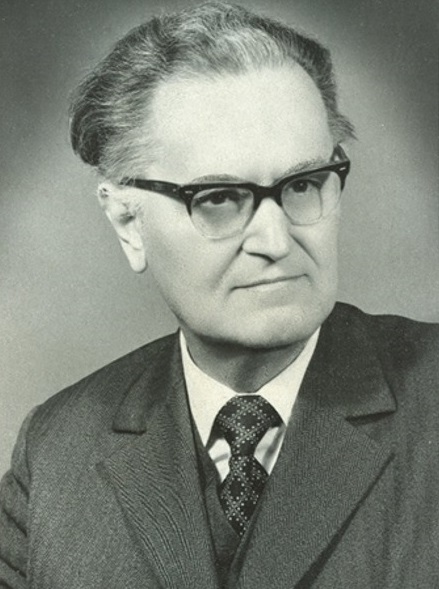
Coriolan DRĂGULESCU
Founder of the Faculty of Industrial Chemistry and Environmental Engineering
He was a Romanian academician and chemist, elected a full member of the Romanian Academy in 1963. Trained and appointed at the Faculty of Sciences of the University of Cluj, he relocated to Timișoara with the faculty at the beginning of the Second World War. There, within the Polytechnic Institute of Timișoara, he established the Faculty of Industrial Chemistry and became its first Dean.
He also established the Scientific Research Centre in Timișoara. He briefly served as Rector of the Polytechnic Institute of Timișoara before becoming Deputy Minister in the Ministry of Education. He was dismissed following the student protests in Timișoara in 1956.
The Institute of Chemistry “Coriolan Drăgulescu” in Timișoara is now named after him.
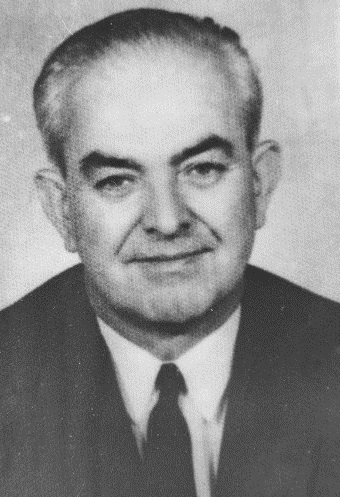
Gheorghe FACSKO
Founder of the Romanian School of Electrochemistry, Corrosion and Electrochemical Technologies
It can be said that Professor Gh. Facsko, the first “true” electrochemist to join the Politehnica of Timișoara in 1947 and, subsequently, the newly established Faculty of Industrial Chemistry in 1948, deserves credit for initiating this new field of research.
With his doctoral thesis, Electrogravimetry with Vibrating Electrodes (1965), the Timișoara School of Electrochemistry, led by Professor Gh. Facsko, began to gain international recognition. It made major contributions to clarifying numerous theoretical and practical aspects of mass transport in electrolytic processes.
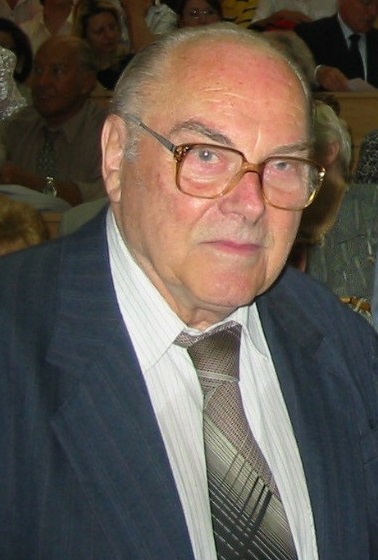
Zeno GROPȘIAN
Founder of Equipment, Installations and Processes as an academic subject
One of the six departments established within the Faculty of Industrial Chemistry from the outset was the “Chemical Machinery, Equipment and Installations” Department, whose primary purpose was to train students in the field of chemical engineering. The first Head of the Department was Prof. Dr. Eng. Zeno Gropșian. At the time, the subject taught was known as “Equipment, Installations and Processes”.
In 1955, he was appointed Dean of the Faculty of Industrial Chemistry.
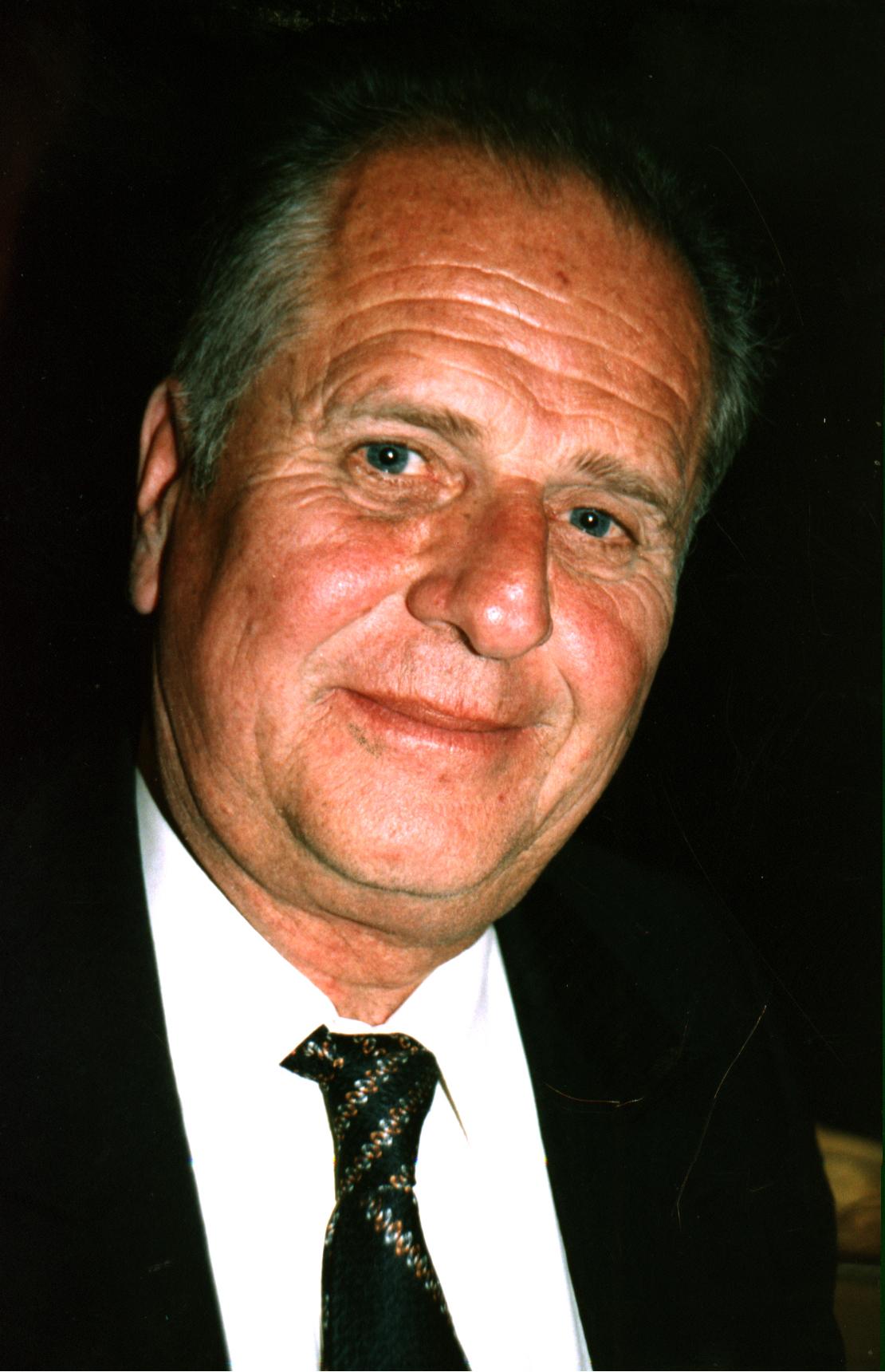
Francisc Viliam KOVACS
Founder of the Romanian School of Robotics
Professor Kovacs pursued a wide-ranging and highly productive research career. At the invitation of Academician Ioan Anton, then Rector of the “Traian Vuia” Polytechnic Institute, Professor Kovacs began working in the field of robotics in 1979. From 1980 onwards, he taught several academic subjects within the Robotics specialisation, becoming one of the pioneers of teaching this modern field of science in Romania.
Under the leadership of Professor Kovacs, the Multidisciplinary Robotics Research and Design Group developed Romania’s first industrial robot, REMT-1, and the country’s first robotised flexible manufacturing cell for machining electric motor shafts in 1982. These achievements were awarded the “Traian Vuia” Prize of the Romanian Academy. The group went on to develop 12 other types of robots and synchronous manipulators, two of which were awarded gold medals at TIB in 1987 and 1988, as well as seven robotised flexible manufacturing systems.
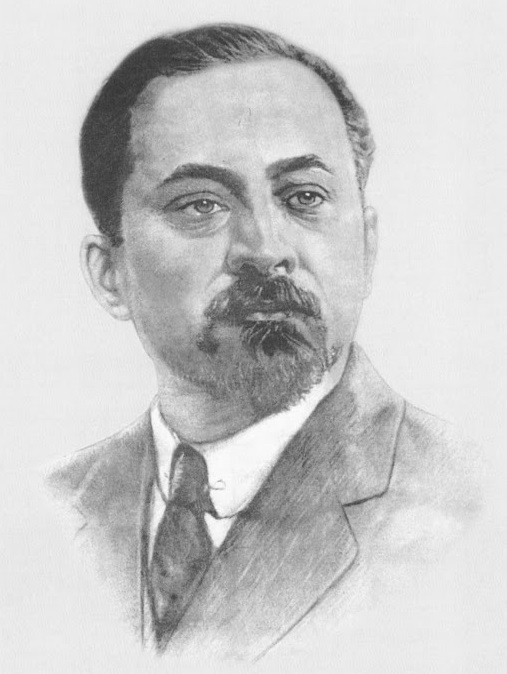
Traian LALESCU
Founder of the Politehnica School of Timișoara
He was a Romanian academician and mathematician, a university professor in Bucharest and Timișoara, and the first Rector of the Politehnica School of Timișoara. A prominent figure in the Romanian school of mathematics, he made contributions to numerous fields of pure and applied mathematics. He was one of the founders of the theory of integral equations and produced numerous studies on functional equations, trigonometric series, mathematical physics, geometry, algebra and the history of mathematics.
He actively advocated for the establishment of the Politehnica School of Timișoara, becoming its first Rector in 1920. In this capacity, his first priority was to recruit suitably qualified academic staff.
Nicolae MAIOR
Founder of the School of Roads and Bridges of Timișoara
In 1941, following years of persistent efforts by professors at the Politehnica in Timișoara, supported by prominent intellectuals from the Banat region, the long-awaited Faculty of Civil Engineering was established. Nicolae Maior was among the first professors appointed to its academic staff.
He served the university with dedication and expertise until his retirement in 1964 and subsequently as a consultant professor until his death. Throughout his active academic career and later as a consultant professor, Nicolae Maior led and coordinated research and teaching in geotechnics and foundation engineering.
The reintroduction of the Roads specialisation at the Faculty of Civil Engineering in Timișoara also allowed Nicolae Maior, as a leading specialist in the field, to guide and further develop the group of academic subjects associated with the specialisation.
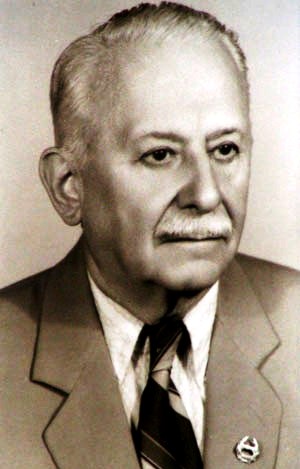
Dan MATEESCU
Founder of the Romanian School of Steel Structures
He was a Romanian engineer, a full member of the Romanian Academy and former President of its Timișoara Branch. He graduated from the Polytechnic School of Berlin-Charlottenburg in 1934. Between 1935 and 1948, he introduced new design methods for steel bridge structures to Romania, based on techniques he had learned in Germany.
In 1948, he was appointed full professor of Steel Structures, an academic subject he taught until his retirement in 1981. When he transferred to the Polytechnic Institute of Timișoara, one of his first priorities was to establish the Steel Structures Laboratory in 1950.
He served as Dean of the Faculty of Civil Engineering at the Polytechnic Institute of Timișoara from 1961 to 1976. He also had an impressive career as a structural designer, contributing to projects such as the dome of the National Exhibition Pavilion in Bucharest and the steel structure of the Iron Gates I Hydroelectric Power Station.
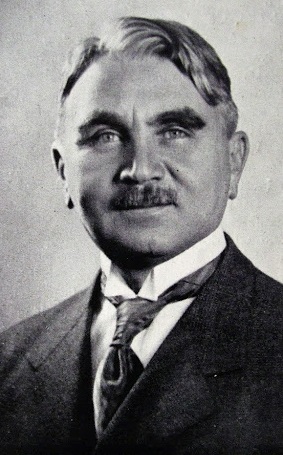
Corneliu MIKLOȘI
Founder of the Romanian School of Welding
He pursued his teaching career at Politehnica University of Timisoara from 1939 to 1963. In 1949, he served as Dean of the Faculty of Electrical Engineering, and from 1953 to 1961, as Head of the Department of Welding Equipment and Technology within the Faculty of Mechanical Engineering.
Based on his own research, he also began teaching the country’s first course in metallography at the Timișoara Politehnica. He established a society dedicated to the advancement of welding and published the country’s first specialised welding journal. His research in the field remains relevant to this day.
Cornel Mikloși’s name is also associated with one of the major inventions developed by a Timișoara engineer in 1938: the “Taurus” machine for butt welding rail ends without joints. This world first opened up new possibilities for the development of railways.
In 1946, Mikloși designed Romania’s first trams with bogies. Their remarkable punctuality, with a deviation of only ±40 seconds, led Timișoara residents to joke that they could set their watches by the timetable created by the director of the municipal tramway company.
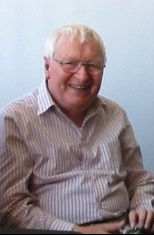
Roland MINGES
Founder of Process Automation in Chemical Engineering as an academic subject
The rapid development of the chemical industry created a need for new areas of study, leading to the introduction in 1960 of a new academic subject, “Process Automation in Chemical Engineering”. It was entrusted to Dr. Eng. Roland Minges, a 1953 graduate of the Faculty of Industrial Chemistry in Timișoara. He formed a teaching team by recruiting teaching assistants from among the first cohorts of students to take the automation course.
Professor Minges managed, almost from scratch, to research the field and develop an engaging course from the outset. He also took the necessary steps to establish an automation laboratory and to introduce “Chemical Process Optimisation” into the curriculum.
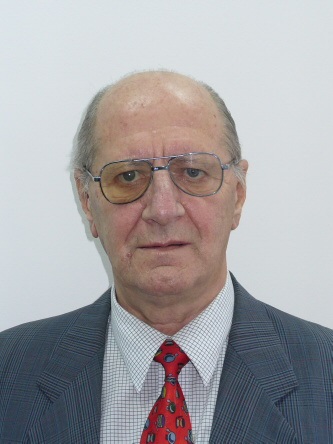
Tiberiu MUREȘAN
Founder of the Romanian School of Electronics
He studied at the Faculty of Electrical Engineering, graduating as an engineer in 1951. He accepted an offer to join the academic staff of the same faculty, where he taught Industrial Electronics.
Together with Professor Alexandru Rogojan, Professor Tiberiu Mureșan played a decisive role in establishing the Electronics specialisation in 1970. He took over the teaching of Analog and Digital Integrated Circuits, developing the subject and teaching it until his retirement.
A significant part of his teaching and research career was devoted to robotics, a field that experienced considerable development in Timișoara during the 1970s and in which the city achieved several national breakthroughs. Together with Professor Francisc Kovacs of the Faculty of Mechanical Engineering, he succeeded in establishing the Politehnica’s largest research team.
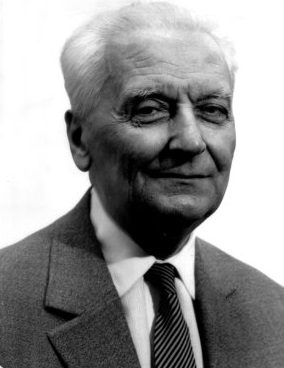
Ilie MURGULESCU
Founder of the Faculty of Industrial Chemistry
He was a Romanian chemist, a full member of the Romanian Academy from 1952 and President of the Academy from 1963 to 1966. Professor Murgulescu’s scientific research in physical chemistry covered a wide range of areas, including molecular structure and spectroscopy, chemical kinetics, chemical thermodynamics, electrochemistry, radiochemistry, inorganic chemistry and analytical chemistry.
He served as Rector of the Polytechnic Institute of Timișoara from 1947 to 1949. During his tenure, the Faculty of Industrial Chemistry was established.
In 1974, he initially opposed the direct election of Elena Ceaușescu as a full member of the Romanian Academy. In 1977, he was marginalised by the political leadership after opposing Nicolae Ceaușescu’s decision to remove the Institute of Physical Chemistry from the authority of the Romanian Academy.
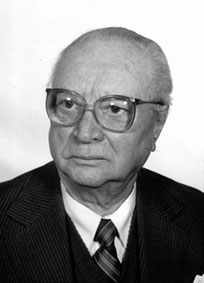
Aurel Carol NANU
Founder of Non-Conventional Technologies
Professor Aurel Nanu was a leading scientific figure of national and international standing and a prominent authority in Materials Technology. From 1924 onwards, Materials Technology was taught at the Timișoara School of Technology. From 1965, the subject was taught based on Professor Aurel Nanu’s course, through which he introduced a new, phenomenological approach to Materials Technology and played a decisive role in establishing it as a science.
He was the author of eight registered inventions, developed 48 prototypes of new machines and introduced 65 new technologies into practice. He also coordinated the publication of 13 volumes of the Treatise on Non-Conventional Technologies ("Tratatul de tehnologii neconvenționale").
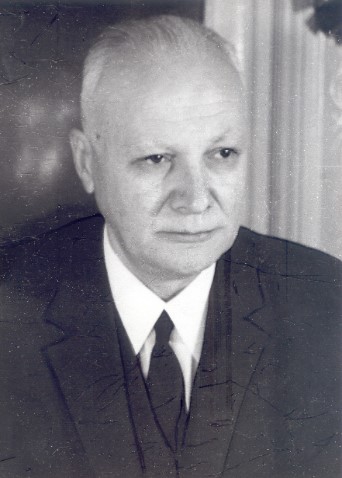
Ioan Sorin NANU
Founder of the Macromolecular Compounds Technology specialisation
The Macromolecular Compounds Technology specialisation was one of the first specialisations to emerge in response to the development of the Romanian chemical industry, particularly the synthesis of monomers and polymers and their processing. As the field evolved, there was a growing need to establish a dedicated specialisation in polymers and their processing within the field of chemical engineering.
The specialisation was developed under the leadership of Prof. Dr. Doc. Ioan Nanu, who, with the support of specialised industrial companies in Timișoara, succeeded in establishing the laboratories required for the specialisation.
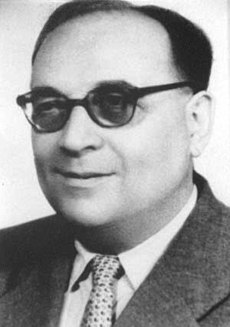
Ștefan NĂDĂȘAN
Founder of the Romanian School of Materials Testing
In 1925, he accepted Professor C. C. Teodorescu’s invitation to join him as an assistant in the Department of Strength of Materials at the Politehnica School, an institution to which he would remain closely connected throughout his career. There, together with Professor Teodorescu, he laid the foundations for the Materials Testing Laboratory. He also worked with Academician Corneliu Mikloși, and together they established the “Welding Promotion Circle” in 1937.
In 1939, he defended his doctoral thesis, entitled The Dynamic Strength of Cast Iron, becoming the first recipient of a Doctor of Engineering degree awarded by Politehnica University of Timisoara.
He played a decisive role in establishing the Institute for Machine Building Design in Timișoara in 1949, later known as IPROM, which he also headed from 1949 to 1954. He also contributed significantly to the establishment of the Institute of Metrology in 1954.
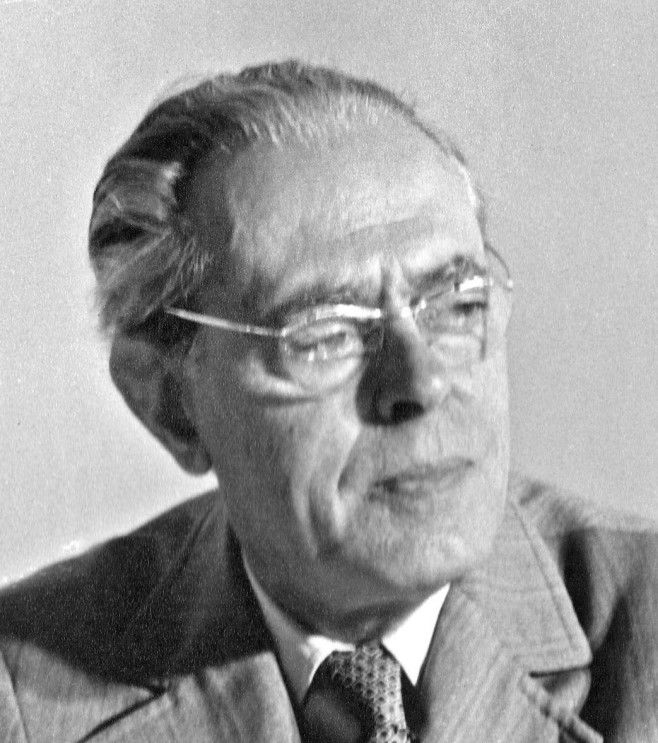
Giorgio OSTROGOVICH
Founder of the School of Organic Chemistry in Timișoara
Organic Chemistry has always been one of the fundamental areas of the Faculty of Industrial Chemistry in the training of chemical engineers, alongside inorganic chemistry, physical chemistry and chemical engineering. At the Faculty, the foundations of this field were laid by Prof. Dr. Doc. Giorgio Ostrogovich, a Corresponding Member of the Romanian Academy and son of university professor Adriano Ostrogovich.
The research directions initiated by Academician Giorgio Ostrogovich have, in many respects, continued to the present day.
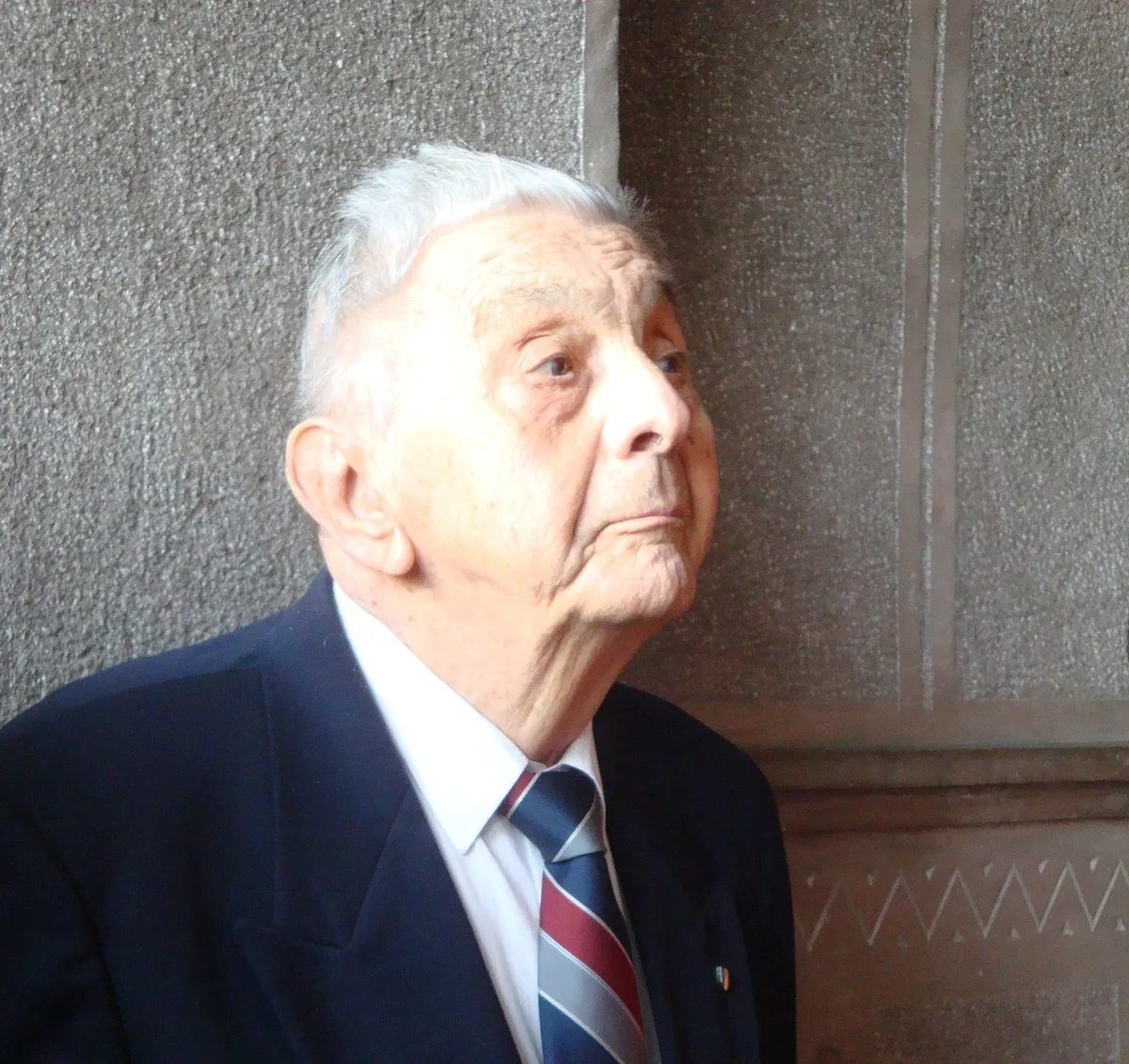
Mircea-Dimitrie RAȚIU
Pioneer of anelastic analysis
He was a Romanian scientist and engineer, holder of a Doctor of Technical Sciences degree and an Honorary Professor at Politehnica University of Timisoara, as well as the brother of politician Ion Rațiu.
At the Polytechnic Institute, he held a series of academic positions: trainee assistant (preparator) in 1948, permanent assistant in 1949, lecturer in 1951, becoming the youngest associate professor in 1954, and doctoral supervisor in 1968.
He was treated as an outcast under both the military dictatorship and the communist regime. Despite being highly regarded professionally, he was removed from the university twice, in 1951 and 1957, and his application for doctoral studies was rejected on political grounds in 1955.
In recognition of his achievements in metrology, he was admitted to doctoral studies in 1961, awarded the Order of Scientific Merit, 3rd Class, and received a Diploma of Excellence for outstanding contributions to the development of metrology in 1966.
He made significant contributions to solving problems related to the fracture resistance of welded steel structures. Internationally, he is regarded as a pioneer of anelastic analysis in validating the serviceability of pressure equipment and of sclerometry in materials testing metrology.
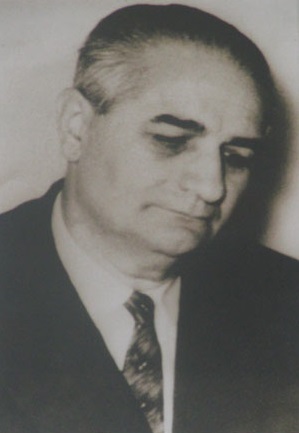
Remus RĂDULEȚ
Founder of the Romanian School of Fundamentals of Electrical Engineering
He began his higher education in 1923 at the Faculty of Electromechanical Engineering of the Politehnica School of Timișoara. He was awarded his electromechanical engineering degree in 1927, having been the most outstanding student the Timișoara Politehnica had ever had.
His encyclopaedic knowledge, acquired both as a student in Timișoara and as a doctoral student in Zürich, together with his exceptional teaching ability, enabled him to teach with great expertise both fundamental subjects, such as Physics, and cutting-edge subjects including Electrical Machines, Power Plants and Low-Current Engineering, the latter subsequently becoming the first Electronics course at the Timișoara institute.
Remus Răduleț was the founder of the Romanian School of Fundamentals of Electrical Engineering. He coordinated the preparation of the Engineer’s Handbook (HUTTE) and the first edition of the Romanian Technical Lexicon, published in eight volumes.
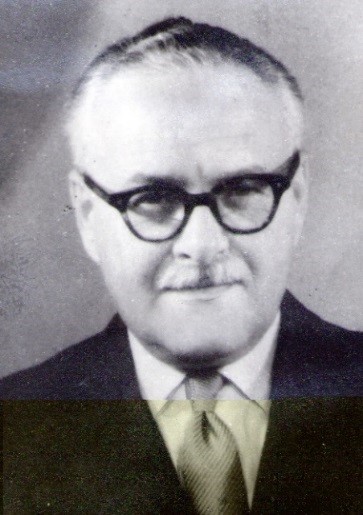
Iosif REICHEL
Initiator of the Organic Industries specialisation
Despite having political “file” issues, Professor Iosif Reichel, Bayer’s representative in Romania, was brought in and supported by the leadership of the newly established Faculty of Industrial Chemistry at the Politehnica of Timișoara, where he was appointed professor of Dyes Technology.
The foundations of the Macromolecular Compounds Technology specialisation, as part of the broader field of organic technologies, were laid by Iosif Reichel (Dyes Technology) and Iosif Dick (Pharmaceutical Technology).
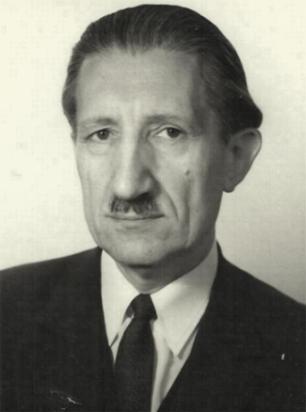
Alexandru ROGOJAN
Founder of the Romanian School of Computing
In 1948, he was appointed as a substitute professor at the Polytechnic Institute of Timișoara, where he taught “Low-Current Engineering”. In 1952, he became Head of the Department of Electrical Measurements, a position he held until his retirement in 1983.
From 1960 onwards, he devoted himself to the field of computing, particularly to computer electronics. He developed Romania’s first ferrite-core memory, an achievement for which he received the Romanian Academy Prize. From 1960, he also worked on the development of the CETA computer, based on the principles of the PDP-8 computer, which was completed in 1973.
In 1965, he established the first computing specialisation in Romania at the Polytechnic Institute of Timișoara, with the first cohort graduating in 1966.
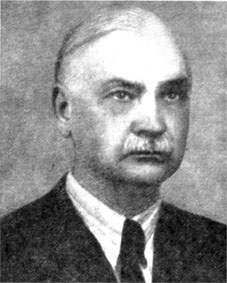
Constantin C. TEODORESCU
Founder of the Romanian School of Strength of Materials
In the autumn of 1920, following the establishment of the Politehnica School of Timișoara, its first Rector, the renowned mathematician Traian Lalescu, invited him to serve as Vice-Rector. From 1920 to 1924, he served as a substitute professor of Strength of Materials and Rational Mechanics.
In 1923, he was appointed provisional professor of Strength of Materials at the Timișoara Politehnica, becoming a full professor in 1926. Professor C. C. Teodorescu was the first to apply statistical methods extensively to materials testing. In 1923, he published the first course on Strength of Materials in Romania, issued by the Politehnica School of Timișoara Press and republished in 1926.
He established Romania’s first Materials Testing Laboratory in Timișoara.
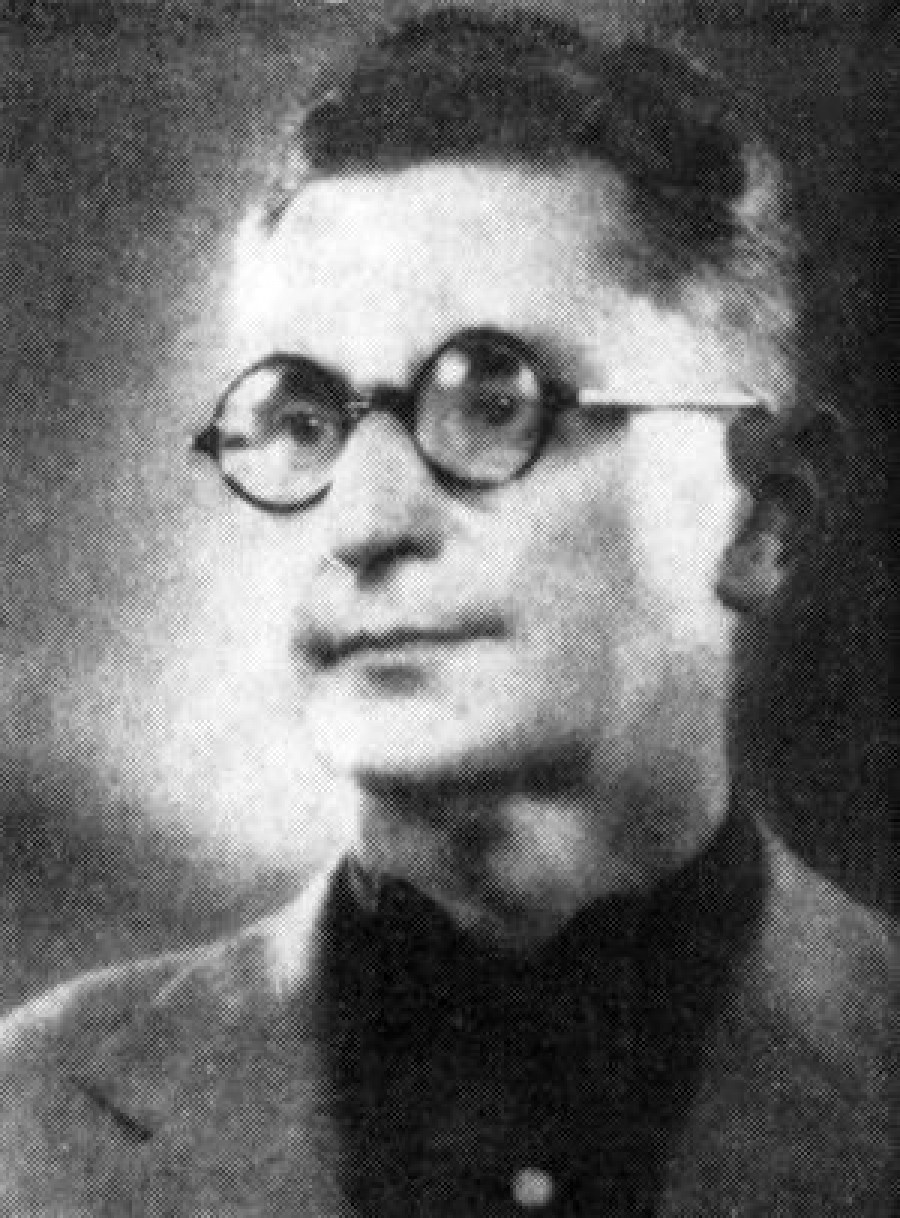
Victor VÂLCOVICI
Founder of Romanian Theoretical Hydrodynamics and Aerodynamics
He was a Romanian mathematician and a full member of the Romanian Academy. Following the establishment of the Politehnica School of Timișoara in 1921, and thanks to the efforts of Traian Lalescu, Vâlcovici became a professor in Timișoara and was elected Rector of the newly established institution of higher technical education.
Victor Vâlcovici is regarded as the founder of Romanian theoretical hydrodynamics and aerodynamics and as the first major Romanian scholar in mechanics. His scientific work comprises more than 150 publications covering analytical mechanics, the theory of elasticity, astronomy and cosmogony.
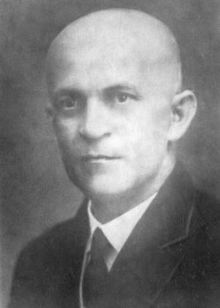
Victor VLAD
Founder of the Faculty of Civil Engineering in Timișoara
He was a Romanian architect and structural engineer and a university professor at Politehnica University of Timisoara. He is known as the founder of the Faculty of Civil Engineering in Timișoara and as the designer of several Orthodox churches in Banat and Transylvania.
At the Timișoara Politehnica, he was also involved in student life, establishing the Sports Association of the Politehnica School students in 1920, the precursor to Poli Timișoara, and serving as its first president.
In 1957, he was awarded the Order of Labour, 3rd Class, and in 1962, he was awarded the title of Emeritus University Professor. He also established and served for many years as President of the Banat Branch of the Union of Architects of Romania.
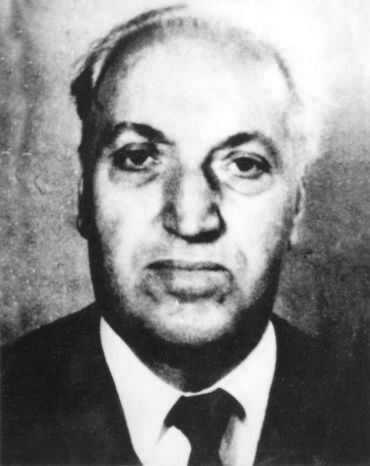
Ioan VLĂDEA
Founder of the School of Thermal Engineering of Timișoara
He studied at the Faculty of Electromechanical Engineering of the Politehnica School of Timișoara, graduating in 1931. His professors included Victor Vâlcovici, Valeriu Alaci, Plautius Andronescu, Pompiliu Nicolau, Victor Vlad and Marin Bănărescu.
On 8 December 1948, he was appointed professor and Head of the newly established Department of Thermal Engineering, a position he held until his retirement on 30 September 1973. On 26 October 1954, he was appointed professor of the “Thermal Engineering” academic subject. In December 1954, he was awarded the title of Doctor Docent in Technical Sciences and granted the right to supervise doctoral studies. In this capacity, he supervised the doctoral research of his collaborators, many of whom went on to become academic staff in the Department of Thermal Engineering, helping him establish a true research school in the field.
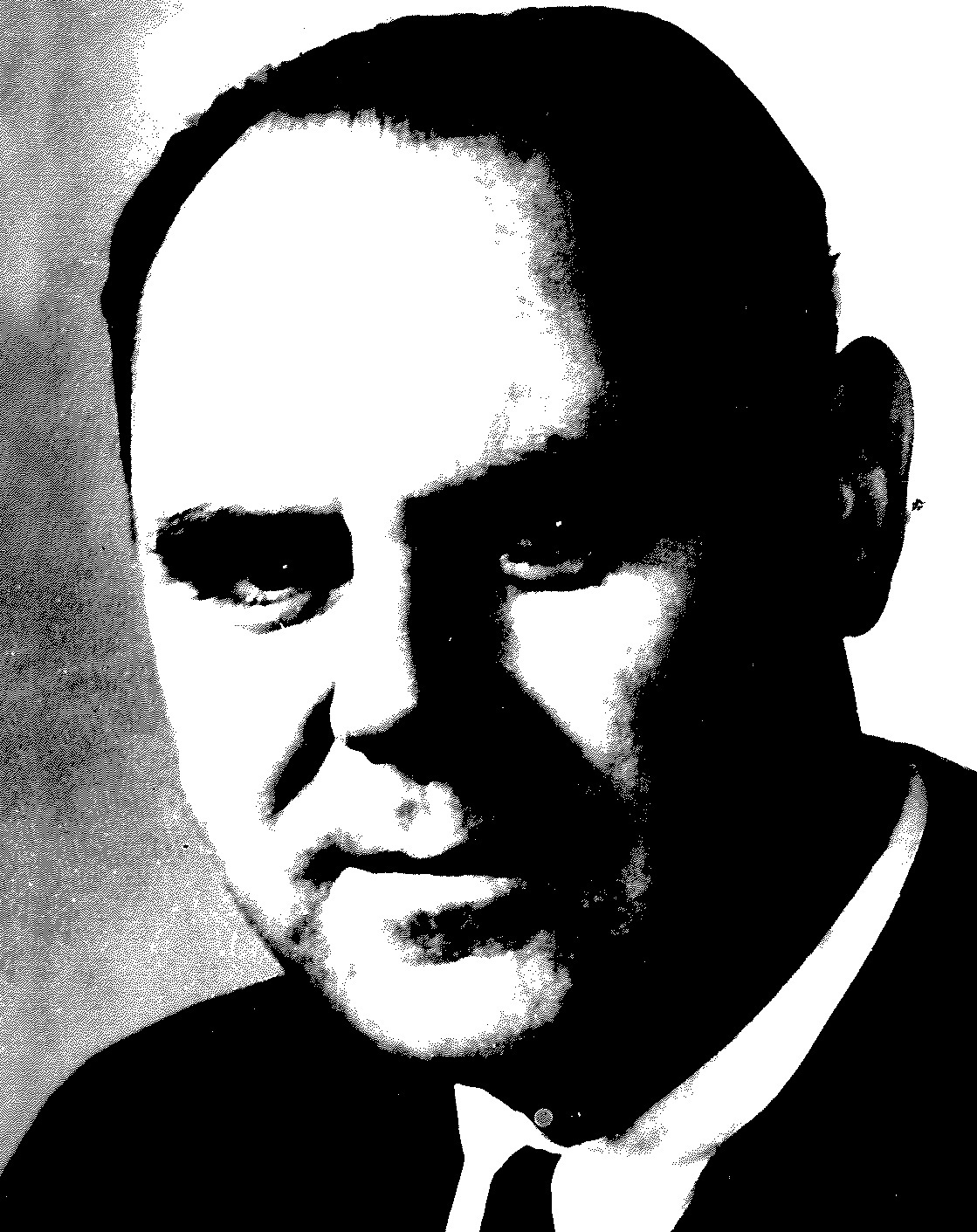
Ion ZĂGĂNESCU
Founder of Rolling Stock Education in Romania
Between 1930 and 1932, he was a lecturer in the “Graphical and Vector Calculus” academic subject. From 1932 to 1936, he stepped away from teaching. He returned in 1936 to the Department of Thermal Machinery, working closely with Professor Bănărescu to transform the Thermal Machinery Laboratory into a modern centre for student training and industrial research.
In 1941, he became professor of the “Rolling Stock” academic subject, a position he held until after his retirement in 1972. He laid the foundations for education in the field of rolling stock in Romania. He was the only academic to commute between Bucharest and Timișoara for twenty years.